
Find Genealogy Records in St. Louis County
St. Louis County genealogy records span birth, death, marriage, land, probate, naturalization, and mining industry documents held at the County Recorder in Duluth, the Iron Range Research Center, and the Duluth Public Library. The county is the largest in Minnesota by area and has one of the most varied genealogy archives in the state, reflecting waves of immigrant workers who came to mine iron ore and build the region's cities.
St. Louis County Overview
St. Louis County Recorder
The St. Louis County Recorder is based in Duluth and holds vital records, land records, and other official documents for the county. Birth records go back to 1859, making St. Louis County one of the earlier Minnesota counties to record births. Death and marriage records are also available through this office. Land records trace property ownership through the county's long history of iron ore development, logging, and settlement.
Because St. Louis County covers such a large area, from Duluth on the south shore of Lake Superior up through the Iron Range communities to the Canadian border, records can vary significantly by location. Early vital records were sometimes kept at the township or city level before being transferred to the county. If you cannot find a record at the county level, it is worth asking whether the record might have been created at a local city or township office first.
| Office | St. Louis County Recorder |
|---|---|
| Location | Duluth, MN |
| Website | stlouiscountymn.gov |
The St. Louis County government website lists all county departments and contact information. Use it to find the current address, phone number, and hours for the Recorder's office before your visit, since office locations in large county governments can change.
The county government site covers all departments and can help you navigate between the Recorder, Court Administrator, and other offices that may hold different record types. Probate and court records, for example, are generally held by the Court Administrator rather than the Recorder.
St. Louis County Historical Society
The St. Louis County Historical Society, known as the History People, operates in the Duluth area and maintains collections related to the county's long history. The society holds photographs, local history publications, and materials covering Duluth and the Iron Range communities. If you are researching a family that lived in Duluth in the late 1800s or early 1900s, the historical society is worth contacting early in your search.
The society's collections can complement official vital records by providing context, photographs, and community records that government offices do not hold. Family histories, church membership records, and local organization rosters sometimes appear in historical society archives. Contacting them directly to ask what they have for your specific family name or community is the best approach.
| Organization | St. Louis County Historical Society |
|---|---|
| Website | thehistorypeople.org |
| Location | Duluth, MN area |
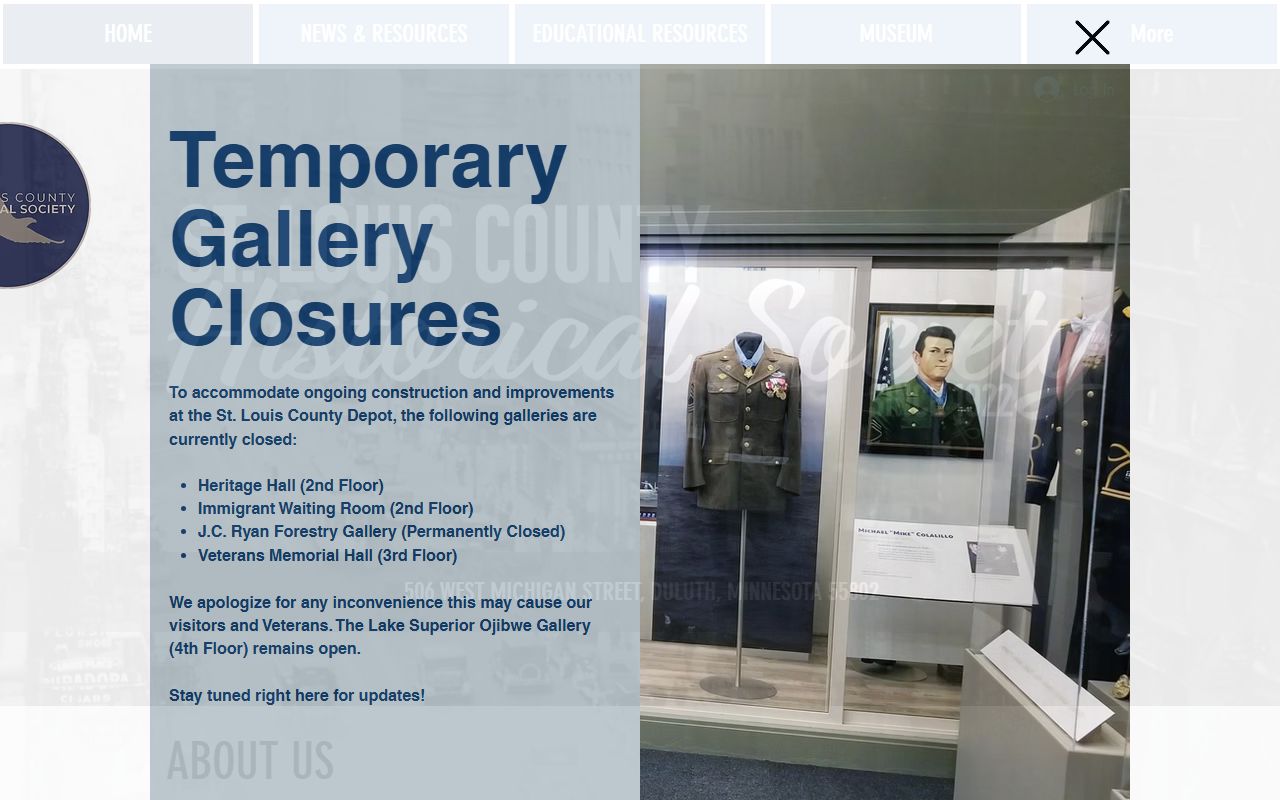
The History People's website has information about their collections and how to contact researchers on staff. Their archives include materials that cover both the Duluth urban area and the smaller Iron Range communities spread across the county.
Iron Range Research Center
The Iron Range Research Center, located at the Minnesota Discovery Center in Chisholm, is one of the most important genealogy repositories in the Upper Midwest. The center holds one of the largest collections of genealogical and local history research materials in the region. If your ancestors worked in the iron ore mines of St. Louis County, this is the single best place to research them.
The center's collections include census records, naturalization records, and passenger arrival records that document the waves of immigrants who came to work on the Iron Range. Mining company newsletters from the major iron ore companies are held here and can name individual workers, list promotions, report accidents, and cover community events at the mine sites. The Women in Industry survey from 1919 is another unique holding that documents women's work in the region during the World War I era.
Naturalization records at the Iron Range Research Center are especially valuable. Many Iron Range immigrants came from Finland, Slovenia, Croatia, Italy, and other European countries, and their naturalization papers list birthplaces, arrival dates, and names of witnesses who were often neighbors or relatives. Finding a naturalization record for an ancestor can open up an entirely new line of research in a European country of origin.
Note: The Iron Range Research Center is a specialized facility. Calling or emailing ahead to confirm hours and access procedures is recommended before making the trip to Chisholm.
Duluth Public Library
The Duluth Public Library holds the St. Louis County Birth Index covering 1859 to 1900. This index is searchable and is a key resource for early births in the county. Duluth's large early population means that many births in the county's formative decades are documented here. The library also holds local newspaper collections, city directories, and other reference materials that support genealogy research.
City directories for Duluth, available at the library, can help you track an ancestor's residence over time even when vital records are absent. A directory entry typically includes the person's name, occupation, and street address, and sometimes a spouse's name or employer. Checking directories from several years in a row can show when a family arrived, where they moved, and when they left or died.
The FamilySearch St. Louis County wiki lists additional digitized record sets available online, including indexes to records held at the library and at the Iron Range Research Center. It is a good overview of what is available before you decide which repository to visit first.
Vital Records and State Sources
For certified copies of birth and death records, the Minnesota Department of Health (MDH) handles statewide requests by mail or fax. A certified birth record costs $26, and a certified death record costs $13. Mail requests go to: Central Cashiering - Vital Records, PO Box 64499, St. Paul, MN 55164-0499. You can reach MDH at 651-201-5970. The MDH Vital Records page has forms and instructions.
The MHS People Records Search is a free tool covering births from 1900 to 1934, deaths from 1904 to 2001, state census records from 1849 to 1905, and veterans graves. For St. Louis County, this is a strong starting point because the county's large population means many records are indexed. The MOMS marriage database covers marriages from 1958 to the present. Access to certified vital records is governed by Minnesota Statute 144.225.
Land patents for the earliest St. Louis County settlers are searchable through the Bureau of Land Management GLO Records at no cost. These records cover the original federal land entries and can help you find when and where an ancestor first claimed land in the county.
Cities in St. Louis County
St. Louis County includes Duluth, which has its own dedicated city page for genealogy records. Duluth is by far the most populous city in the county and has distinct resources, including city-level archives and library collections, that complement the county-level records.
Nearby Counties
St. Louis County borders several northeastern Minnesota counties. Ancestors living near county lines may have records filed in an adjacent county, especially for early land entries and court proceedings.