
Genealogy Records in Wabasha County
Wabasha County genealogy records include birth, death, marriage, land, and probate documents held at the County Recorder in Wabasha and through the Wabasha County Historical Society. The county is one of Minnesota's oldest, and its records reflect a long history of settlement along the Mississippi River that draws researchers from across the country.
Wabasha County Overview
Wabasha County Recorder
The Wabasha County Recorder in Wabasha holds vital records and land records for the county. Birth, death, and marriage records are available here. Land records trace property ownership across the county's long history. For certified copies of vital records, contact the office directly for current fees, procedures, and identification requirements. The Recorder is the primary starting point for most Wabasha County genealogy research, and staff can direct you to the right department for records that may be held by the court or other county offices.
Wabasha County was organized in 1849, making it one of the original Minnesota Territory counties. That early date means some records go back farther than in most Minnesota counties. If you are researching a family that was in Wabasha County before the Civil War, it is worth asking the Recorder's office specifically what their earliest records cover and in what form they are available. Very early records may be in manuscript or ledger form rather than on microfilm or in a digital database.
| Office | Wabasha County Recorder |
|---|---|
| Location | Wabasha, MN |
| Website | co.wabasha.mn.us |
The Wabasha County government website lists all departments and their contact details. Use it to find the current office address, phone number, and hours before you visit or send a mail request.
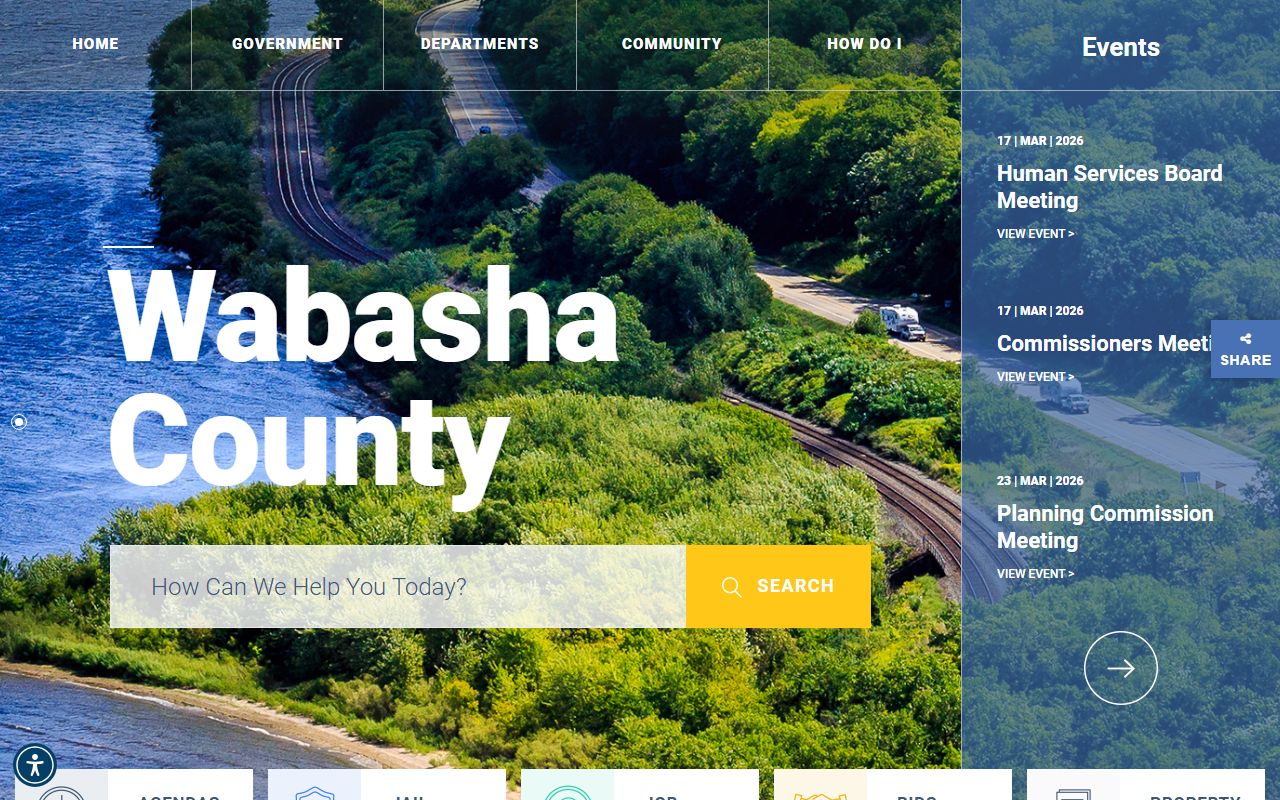
The county website is the best source for current office information. Hours and procedures can change, and confirming before your visit prevents wasted trips. The website also lists any online services the county may offer for record requests.
Wabasha County Historical Society
The Wabasha County Historical Society holds local history collections that complement the official county records. The society maintains materials related to the county's long history along the Mississippi River corridor. Family histories, photographs, church records, and local publications that document life in Wabasha County communities are held here and cannot be found in official vital records databases.
Wabasha County's position on the Mississippi River made it an early entry point for settlers moving into Minnesota Territory, and the historical society's collections reflect that long history. If your ancestor was among the earliest settlers in the county, the historical society may hold newspaper references, church records, or donated family papers that provide detail about their early years in the county. Contacting the society by phone or email with a specific family name and time period is the best way to find out what they have before visiting in person.
| Organization | Wabasha County Historical Society |
|---|---|
| Website | wabashacountyhistory.org |
| Location | Wabasha County, MN |
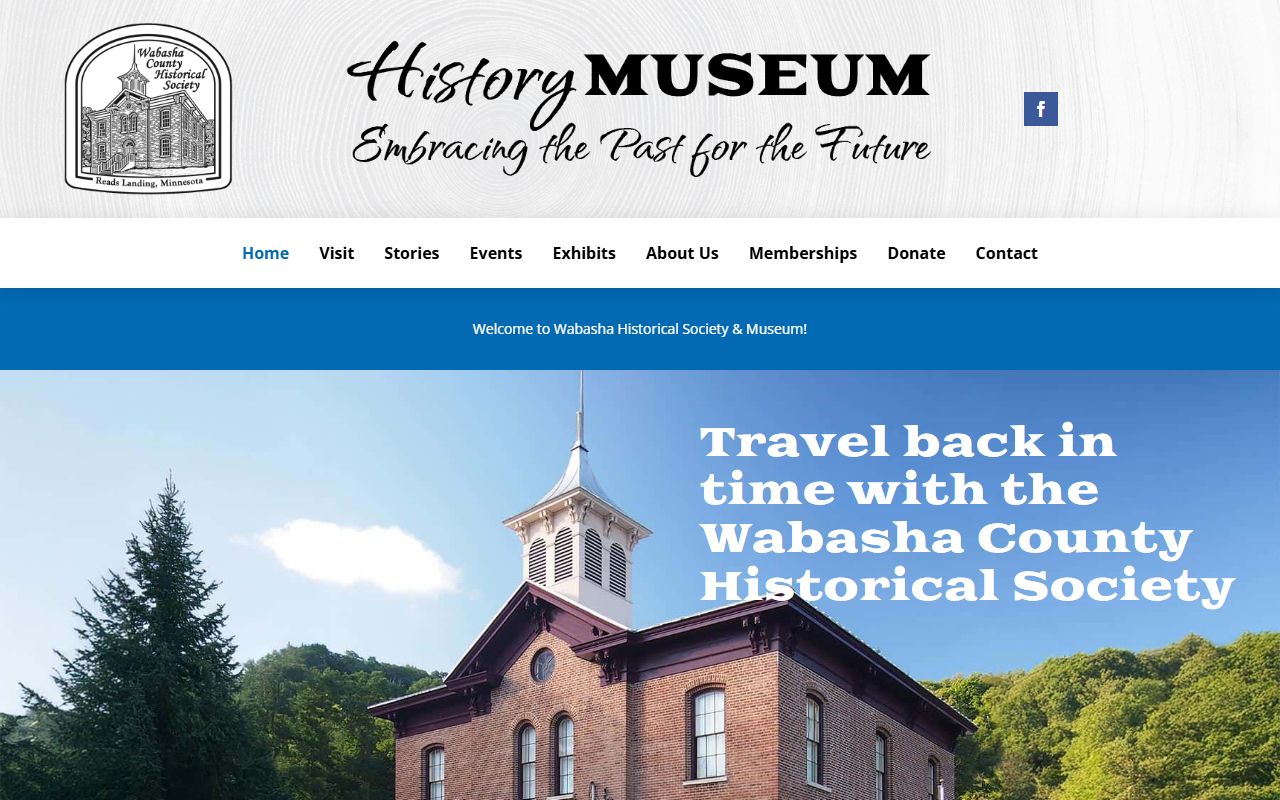
The Wabasha County Historical Society website has information about their collections and contact details. Checking the site first gives you a sense of what materials they hold before making a trip to the county.
Vital Records and State Sources
For certified copies of birth and death records, the Minnesota Department of Health (MDH) handles statewide requests by mail or fax. A certified birth record costs $26 and a certified death certificate costs $13. Mail requests to: Central Cashiering - Vital Records, PO Box 64499, St. Paul, MN 55164-0499, or call 651-201-5970. The MDH Vital Records page has current forms and full instructions.
The MHS People Records Search is free and covers births from 1900 to 1934, deaths from 1904 to 2001, and state census records from 1849 to 1905. For Wabasha County, the 1849 starting date for census records is notable because the county was organized that same year. Marriage records from 1958 forward are searchable through MOMS. Access to certified vital records is governed by Minnesota Statute 144.225.
The FamilySearch Wabasha County wiki lists available record sets and where to find them. Federal land patents are searchable through the Bureau of Land Management GLO Records at no cost. For Wabasha County, where settlement began in the 1840s and 1850s, these early land records are among the most useful starting points for tracing pioneer families.
The MHS Gale Family Library at 345 Kellogg Blvd W, St. Paul (651-259-3300) holds state-level genealogy collections including census records, naturalization papers, and newspaper microfilm. Wabasha County newspapers going back to the 1850s may be held at MHS and can be a valuable source for early family events not captured in official vital records.
Land and Probate Records
Land records at the Wabasha County Recorder's office cover deed transactions from the county's early years to the present. Given the county's 1849 founding date, original land entries in Wabasha County predate many other Minnesota counties by several years. Federal land patents from this era are searchable through the BLM GLO Records database and often represent the first documented evidence of an ancestor's presence in the county.
Probate records and court records are held at the Court Administrator's office. Some early Wabasha County probate records may be available through FamilySearch. Probate files from this early period can be especially detailed, including inventories of household goods and farm equipment, lists of outstanding debts, and identification of all heirs. For a family with roots going back to the county's founding era, probate records are worth searching systematically.
Nearby Counties
Wabasha County borders four counties in southeastern Minnesota. If your ancestor lived near a county boundary, records may be held in an adjacent county, particularly for land transactions and early probate proceedings.